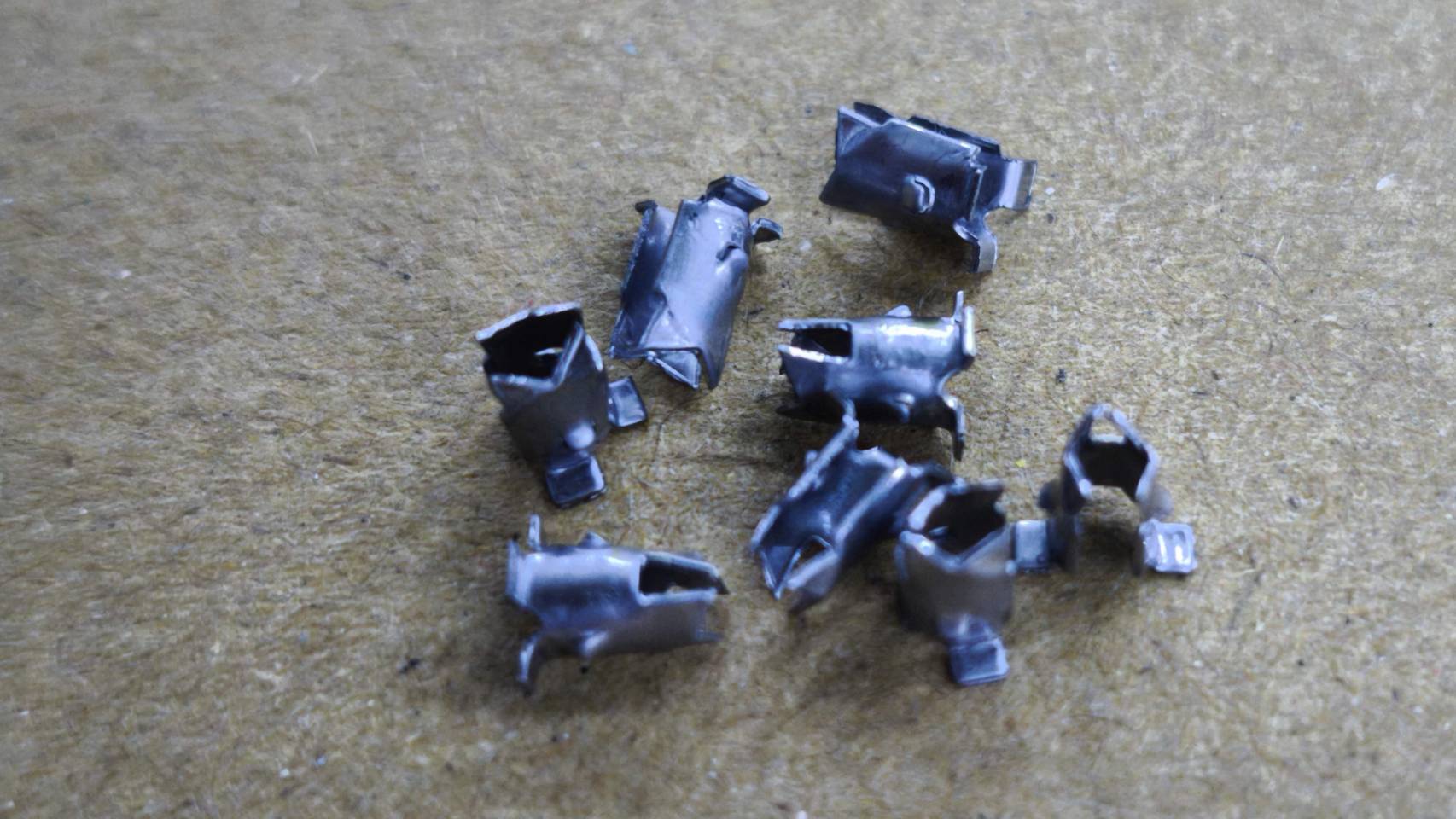
Key Processes and Materials for Precision Manufacturing
When it comes to metal fabrication, metal stamping is one of the most efficient and versatile manufacturing processes. Whether you’re working with aluminum, stainless steel, or other metals, it provides a way to create precise, durable parts for a wide range of industries. In this article, we’ll dive into the main types of metal stamping, highlight the materials best suited for each process, and explore how to achieve optimal results in this essential area of manufacturing.
What is Metal Stamping?
Blanking and Cutting Operations
The blanking and cutting processes are fundamental to metal stamping and involve separating materials into specific shapes or sizes. These techniques are especially useful for metals with moderate to high softness, such as aluminum and copper alloys.
Metal stamping is a fabrication process that uses machinery and dies to shape or cut metal sheets into desired forms. These processes typically fall into one of the following categories:
Separation (cutting or blanking)
Forming (bending, drawing, or shaping)
Special techniques (embossing, fine blanking, or coining)
Each type of metal stamping has distinct characteristics, applications, and material requirements. Below, we’ll explore these processes in detail.
Common Processes:
Blanking: Best suited for middle-to-low hardness metals like aluminum, low-carbon steel, and copper.
Cutting: Applies to common metals such as stainless steel, aluminum, and copper.
Fine Blanking: Ideal for thin steel sheets and softer metals requiring highly accurate edges.
Suitable Materials:
Soft Metals: Aluminum or copper allow for precision cuts due to their excellent ductility.
Harder Metals: Stainless steel can also be processed but requires adjustments to cutting pressure.
Drawing Processes
Deep drawing focuses on creating shapes without separating the metal from its sheet. It’s perfect for forming cylindrical, square, or custom shapes from metal sheets.
Common Processes:
Cylindrical Forming: Suitable for thin steel sheets and aluminum.
Box Forming: Works well with aluminum alloys and low-carbon steel sheets due to their flexibility.
Irregular Shaping: Aluminum and copper provide maximum ductility, while stainless steel requires additional pressure adjustments for shaping.
Suitable Materials:
Low-carbon steel, aluminum alloys, and copper are the best options due to their excellent stretchability. Pre-softened stainless steel can also achieve good results.
3\. Bending Processes
In bending, the material is formed into an angle or a desired shape without the removal of any metal. This process is ideal for creating U, V, or Z bends.
Common Processes:
U-Bending: Perfect for aluminum alloys and regular steel sheets.
V-Bending: A versatile option for thin steel sheets, low-carbon steel, and aluminum.
Z-Bending and Complex Forms: Recommended for high-toughness materials like aluminum or copper.
Suitable Materials:
Aluminum, copper alloys, and flexible materials perform exceptionally well.
Stainless steel and low-carbon steel are also great choices, but care must be taken to avoid stress fractures during bending.
4\. Shaping and Forming
Shaping processes are used to deform the material into intricate designs like ridges, grooves, or special structures. These are often used for creating embossed or lightweight designs.
Common Processes:
Coining: Works best on copper alloys, aluminum, and thin steel sheets for precision embossing.
Flanging: Commonly used with low-carbon steel or stainless steel.
Drawing: Great for aluminum materials and medium-thickness steel sheets.
Embossing: Used for lightweight, aesthetic designs—most suitable for aluminum and copper alloys.
Suitable Materials:
For optimal forming, choose materials with high ductility and plasticity, like aluminum, copper, and low-carbon steel. Stainless steel requires higher pressure or surface lubrication during processing.
5\. Trimming and Finishing
For precise edges and clean results, trimming and finishing processes refine metal parts after the initial forming phase. These steps are critical for improving part accuracy and appearance.
Common Processes:
Shaving: Aluminum, copper, and stainless steel materials are commonly used for shaving processes.
Notching: Suitable for moderately hard materials such as steel and aluminum sheets.
Suitable Materials:
Low-carbon steel and softer metals like aluminum and copper produce the best results.
6\. Advanced Metal Stamping (Embossing and Specialty Textures)
Special metal stamping techniques, such as embossing and patterned texturing, are used to achieve detailed surface designs. These processes are ideal for lightweight metals like aluminum and copper, though they can be applied to steel at higher pressures.
Suitable Materials:
Aluminum and Copper: Lightweight metals that are more adaptable to intricate texturing.
Steel Sheets: Suitable for high-pressure embossing when necessary.
Essential Considerations for Material Selection
When choosing materials for metal stamping, consider the following:
Steel Variants:
Low-carbon steel (SPCC): Excellent for most metal stamping processes.
Stainless steel (SUS304, SUS316): Offers corrosion resistance but requires higher processing pressures.
High-strength steel: Suitable for specialty needs but not ideal for large deformations.
Non-Ferrous Metals:
Aluminum: Lightweight and ideal for most forming and bending needs. However, it may not meet complex strength requirements.
Copper: Excellent for electrical conductivity and aesthetic purposes.
These material considerations are crucial when determining the best options for your project, ensuring optimal results based on the material’s properties, purpose, and the desired final form.
About the author