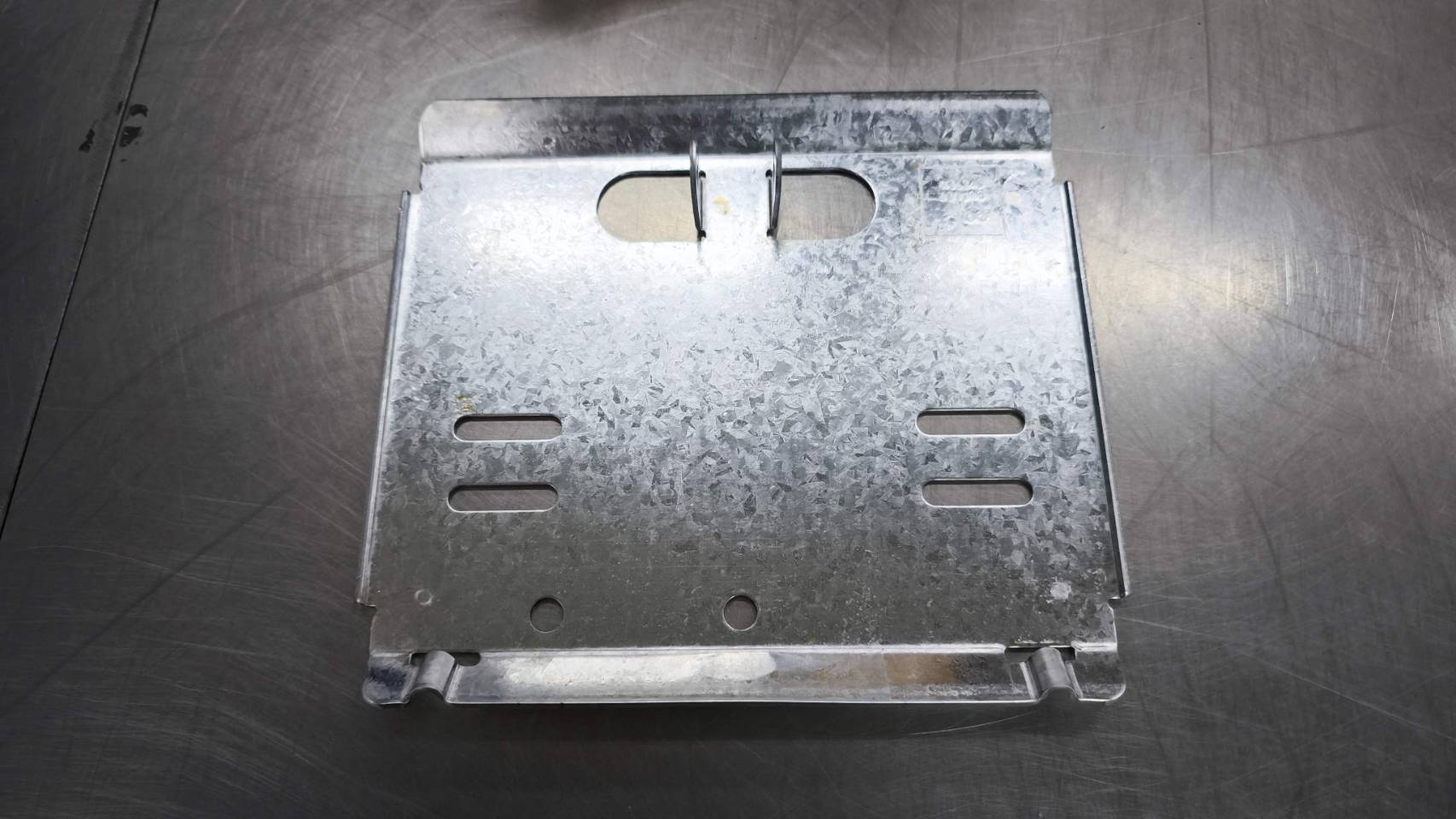
Influencing Metal Sheet Selection
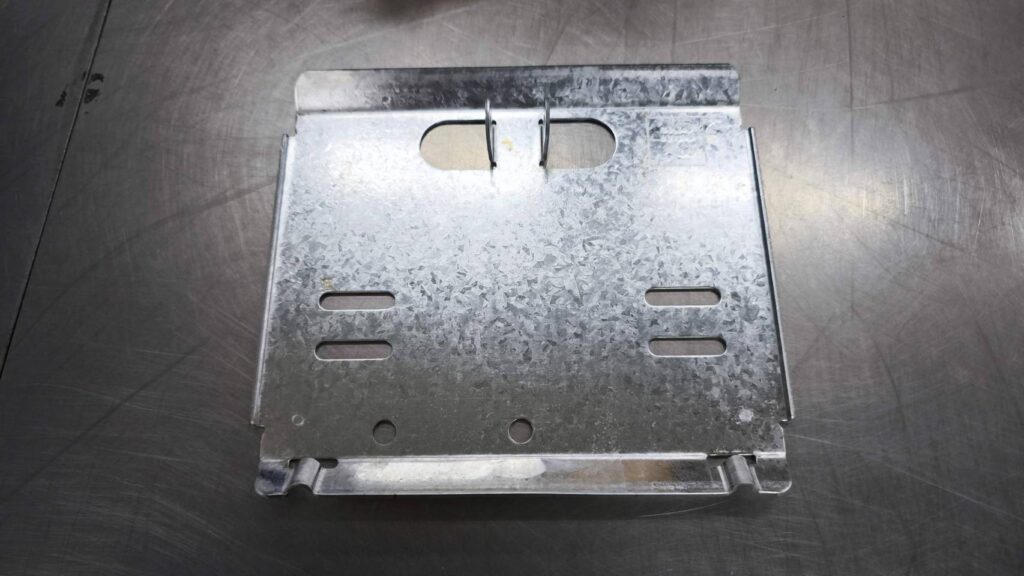
In the realm of metal stamping, the choice of mold significantly impacts the types of metal sheets that can be effectively processed. This decision hinges on several critical factors
Mold Material Strength and Pressure Resistance
**High-Strength Molds:** When working with harder metals like stainless steel, the mold must withstand greater pressure. Therefore, selecting a mold material that is both strong and wear-resistant is crucial. Inadequate mold strength can lead to premature wear or deformation, affecting the quality of the finished product.
**General-Strength Molds:** These are suitable for more malleable metal sheets such as aluminum or copper, which require less processing pressure. Consequently, the strength requirements for the mold are not as stringent.
Impact of Mold Geometry on Material Deformation
**Matching Mold Shape to Processing Needs:** The geometric design of the mold (e.g., trimming, stretching, bending) directly influences how different metal sheets behave during processing. For instance:
– **Stretching Processes:** Molds must accommodate the ductility of metals, choosing materials with good elongation properties like low-carbon steel or certain aluminum alloys.
– **Cutting Processes:** Harder metals require more precise mold designs to avoid excessive deformation or cracking.
**Material Thickness:** As the thickness of the metal sheet increases, so does the required processing pressure. This necessitates a mold design capable of evenly distributing stress to prevent damage.
### 3. Pressure Distribution and Material Compatibility
Different materials exhibit varying tensile strengths, hardness, and ductility, which affect how pressure is applied by the mold. For example, stainless steel requires high pressure for cutting or stretching, but uneven pressure distribution can result in burrs or material breakage.
Softer materials like aluminum require less pressure, but excessive force can cause wrinkling or localized deformation.
### 4. Mold Wear Resistance and Processing Frequency
For high-hardness materials such as stainless steel or high-strength steel, mold wear is accelerated. Thus, selecting molds with high wear resistance or those treated with special processes (like heat treatment or surface coating) is essential to extend lifespan and ensure consistent processing results.
The design and material selection of molds determine their maximum pressure capacity, pressure distribution uniformity, and durability over repeated use. These factors influence the suitable types of metal sheets. Therefore, when choosing a mold, it is crucial to consider the metal sheet’s hardness, ductility, thickness, and the type of processing required (such as stretching, cutting, or bending) to achieve optimal results.
About the author